الاشتراك في القائمة البريدية
9 يونيو 2026
|
عن مدى
من نحن
طاقم مدى
الهيئة الإدارية والعامة
الممولون
اتصل بنا
التقارير التمويلية
برامج
برنامج دراسات عن إسرائيل
برنامج الدراسات النسويّة
برنامج المجتمع الفلسطيني
برنامج علم النفس التحرري
برنامج دعم طلبة الدراسات العليا
سمينار ومنح لطلبة الدراسات العليا
ورشة الاجندات البحثيّة
مؤتمر طلبة الدكتوراه الفلسطينيين
المخيّم الأكاديميّ لطلبة البكالوريوس الفلسطينيّين في الجامعات الإسرائيليّة
ورشة الإنتاج المعرفيّ
ورشة دراسيّة- قراءات في نصوص عربيّة وإسلاميّة
إصدارات
كتب
المجتمع الفلسطيني
أوراق فلسطينية
سرديّات ذاتيّة
استطلاعات الرأي العام
ذاكرة شاهدة على البقاء
تقدير حالة
مجلة “جدل”
أوراق تقدير موقف
دراسات عن إسرائيل
دراسات نسويّة
الأكاديميا في زمن الحرب
علم النفس التحرري
النيوليبرالية الإسرائيلية
ترجمات
نشرات مدى
פרסומים וניירות עמדה
أدلة الكتابة
أخبار مدى
بودكاست
المؤتمر السنوي
الإبادة العمرانيّة USF
الأرشيف
English
الارشيف
تاريخ
تصنيفات
ابحث
أخبار مدى
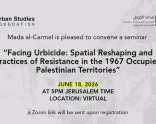
Facing Urbicide: Spatial Reshaping and Practices of Resistance in the 1967 Occupied Palestinian Territories (June 2026)
بواسطة Mada Admin
Annual Newsletter 2025
بواسطة Mada Admin
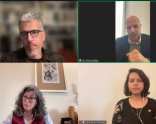
Third session in the seminar series “Urbicide in Gaza” │ Urbicide in Palestinian Cities after the Nakba: Time, Rupture, and the Reshaping of the Urban Space (March 2026)
بواسطة Mada Admin
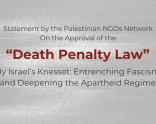
Statement by the Palestinian NGOs Network On the Approval of the “Death Penalty Law”
بواسطة Mada Admin
البرامج
تابعنا